If you've ever craved sleek, smooth hair but feared the consequences of using a flat iron at high temperatures, you're not alone. Heat styling is one of the most debated topics in the textured-hair community — especially when it comes to temperatures like 400°F. In this deep-dive, we break down exactly what happens to curly, coily, and kinky hair at high heat — and how you can protect your texture while still achieving the styles you love.
What Happens to Hair When You Apply Heat
When heat is applied to hair, it affects its very structure. Hair is primarily made of keratin protein bonded together by hydrogen and disulfide bonds. These bonds help determine your curl pattern, strength, and elasticity.
At lower temperatures, heat simply breaks the hydrogen bonds, allowing hair to temporarily relax and take on a new shape. That's why a single pass with a flat iron can make curls appear straight — but only until moisture or humidity enters the hair again.
However, once heat reaches higher levels — typically around 302°F (150°C) and above — the damage risk increases significantly. At around 400°F, the heat doesn't just reshape the hydrogen bonds; it begins to affect the cortex and the internal protein structure of the hair strand. This can lead to:
• Cuticle lifting
• Protein breakdown
• Weakened strands
• Loss of curl pattern
• Increased breakage and brittleness
Simply put: at 400°F, your hair isn't being styled — it's being altered at a molecular level.
Heat Damage vs. Heat Styling: What's the Difference?
Using heat doesn't automatically mean damage — but how much damage occurs depends on temperature, duration, frequency, and preparation. Some people refer to "heat training," a practice of using heat often to maintain straighter styles. Experts increasingly say that if your hair permanently loses its natural curl pattern from heat, that's heat damage — not training.
Here's how to distinguish the two:
• Heat Styling: Temporary straightening or styling that returns to normal after washing.
• Heat Damage: Lasting change in texture, dryness, or breakage — especially after repeated high-heat exposure without heat protection.
High temperatures like 400°F can make styling faster, but it also increases the risk of pushing hair past styling into structural breakdown.
Why Textured Hair Is Particularly Vulnerable
Textured hair (from wavy to coily) naturally tends to be dryer due to the way oils travel down the hair shaft. This makes it more susceptible to:
• Moisture loss
• Cuticle fractures
• Split ends
• Breakage under heat stress
Because textured strands already have bends and twists, heat must distribute evenly to each curve — and high heat can lead to uneven styling, creating weak spots where breakage occurs.
That's why many stylists recommend lower temperatures with more passes — rather than a single very high heat pass — to reduce stress on the hair.
The Key to Heat Styling Without Sacrificing Your Texture
You don't have to avoid heat altogether to maintain healthy hair. The secret lies in protection and nourishment before and after styling.
🔹 Use a Heat Protectant That Supports Keratin & Moisture
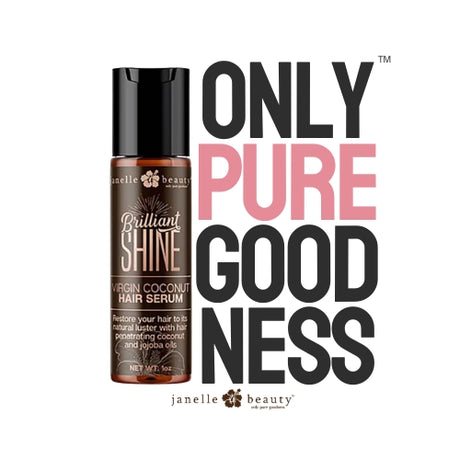
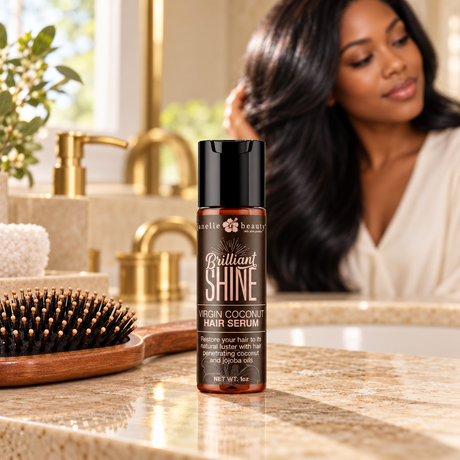
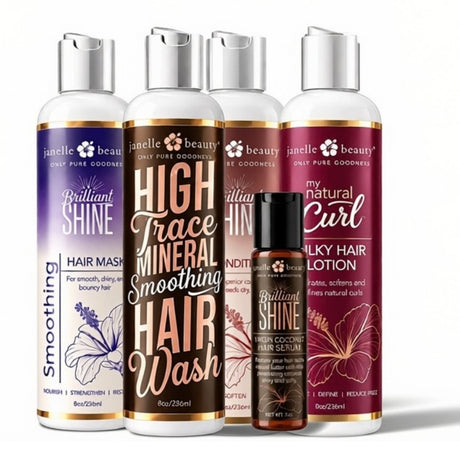
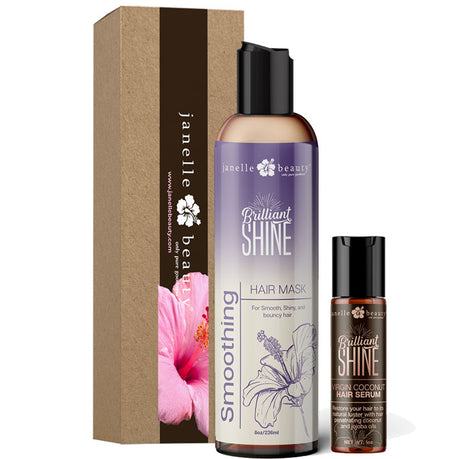
Products that create a barrier help reduce direct heat contact with your hair fibers. A great example is the Janelle Beauty® Virgin Coconut Hair Serum — a heat-activated serum formulated to nourish and protect hair during heat styling with a blend of virgin coconut, grapeseed extract, and jojoba oil.
This serum works by:
• Penetrating the hair shaft
• Helping lock in moisture
• Providing a protective layer that withstands higher temperatures without breaking down
• Helping prevent frizz and dryness from heat and humidity
Virgin coconut oil specifically has a high affinity for hair proteins, meaning it can penetrate and offer protection at levels ordinary oils can't — ideal when you're using heat tools.
Protect before you style
Your heat protectant should work as hard as your flat iron.
The Virgin Coconut Hair Serum is formulated specifically for textured hair — locking in moisture and shielding strands from high-heat damage before you ever pick up a tool.
Shop Virgin Coconut Hair Serum →Best Practices for Heat Styling
To minimize heat damage while still achieving smooth, styled hair:
✔ Prep with Hydration
Deep condition or use a nourishing mask before heat styling to ensure hair is moisturized and protected.
✔ Apply a Heat Protectant
Always coat your hair with a serum or cream designed to resist high heat.
✔ Use Lower Temperatures When Possible
Instead of blasting at 400°F, experiment with temperatures between 300–375°F and multiple gentle passes.
✔ Listen to Your Hair
If hair feels overly dry or brittle after heat styling, it's a sign you may need to scale back temperature, frequency, or improve protection.
Final Thoughts: Heat Smart, Not Heat Fearful
Understanding what happens to textured hair at high temperatures — especially around 400°F — empowers you to make smarter styling choices. You can enjoy smooth and sleek styles without permanently weakening your hair — as long as you approach heat with intention and proper protection.
Your hair deserves versatility without sacrifice — and with the right products and techniques, you can have both.
Janelle Beauty Hair Care
Style with heat. Keep your curl.
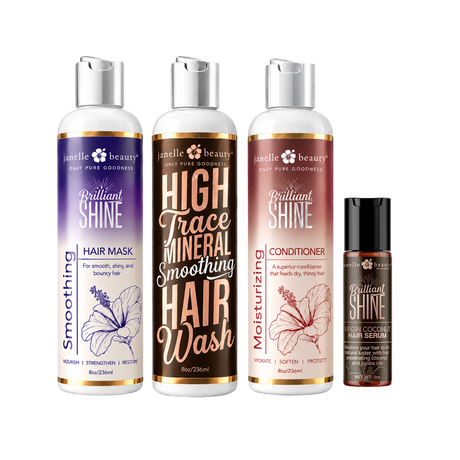
The Virgin Coconut Hair Serum and Keratin Shine Leave-In work together to prep, protect, and finish — so your style lasts without the damage.
Shop Heat Protection → Explore All Hair Care