Heat styling tools like flat irons, blow dryers, and curling wands are everyday essentials for achieving sleek, smooth hair — but for many, they can also mean frizz, dryness, breakage, and long-term damage. That's why heat protectants are a staple in most haircare routines. Yet, you've probably tried a bunch of them only to feel like none actually work. So what's really going on? And more importantly — what actually protects hair from heat while keeping it smooth and frizz-free? Let's break it down.
Why Most Heat Protectants Fall Short
Many products on the market are labeled as heat protectants, but not all deliver on that promise. Here's why:
1. Misleading Marketing vs. Real Protection
Some “heat protectants” are essentially oils or silicones marketed with heat claims, but without any real thermal shielding technology. These may make hair feel smoother or shinier, but they don't evenly distribute or dissipate heat, which is the fundamental job of a quality protectant.
2. Wrong Ingredients for Protection
Products filled with heavy oils or fragrances might feel nice but won't technically reduce heat damage. While oils (like argan or almond oil) can add shine and moisture, they don't create a barrier that reliably prevents heat from penetrating the hair shaft, especially at higher styling temperatures.
3. One-Size-Fits-All Doesn't Work
Different hair types require different protectant strategies. A lightweight spray that works for fine hair might be ineffective (or even counterproductive) for curly or thick textures. When a product isn't tailored to your hair's needs, it may not protect well — and can even make frizz and dryness worse.
What Actually Works for Heat Protection and Smooth Hair
Real heat protection does two essential things:
-
Forms a consistent, protective coating that reduces direct heat exposure
-
Helps distribute heat evenly to avoid “hot spots” that damage hair protein and cuticles
Experts confirm that effective heat protectants do work — but only when formulated with science-backed ingredients and applied correctly.
So what should you be looking for?
★ 1. Heat-Resistant Penetrating Oils
Certain natural oils — like virgin coconut oil — can withstand high heat without breaking down. Coconut oil has a unique molecular structure that allows it to penetrate the hair shaft and bond with hair protein, reducing protein loss and protecting from heat stress.
★ 2. Moisture-Locking Elements
Ingredients like grapeseed extract help lock in moisture and prevent frizz and brittleness while heat styling. These nourishing components fortify hair from the inside — important when applying heat.
3. Compatibility with Styling Tools
A true protectant should remain stable and functional when exposed to the temperatures used in styling tools — not evaporate, burn, or lose effectiveness. Some advanced formulas can even repair existing damage while defending against new damage.

The Real Solution: A Protective, Nourishing Heat-Activated Formula
This is where nutrition meets protection. A product that combines heat-resistant natural oils with moisture-sealing antioxidants can both protect your hair from damage and keep it smooth and frizz-free — even in humidity.
For example, a heat-activated serum formulated with virgin coconut oil, grapeseed extract, and jojoba oil can:
-
Penetrate deeply into hair to fortify each strand
-
Form a protective layer that holds up under heat
-
Help maintain a sleek look with reduced frizz
-
Nourish your hair so it feels healthier over time
This kind of formula doesn't rely on gimmicks — it works with your hair's natural structure to support strength and resilience.
How to Get the Most From Heat Protection
Here are a few actionable tips to ensure you aren't wasting your time with products that look like protectants but don't perform:
🌡 Use the right heat setting for your hair type.
Even the best protectants won't save hair subjected to unnecessary high heat.
💧 Apply your protectant correctly.
Products should be evenly distributed through dry or damp hair before any heat.
⚖ Don't skip hydration steps in your routine.
Well-moisturized hair resists frizz and heat damage better.
Final Word: Protect, Don't Pretend
Not all heat protectants are created equal. Too many rely on hype and heavier ingredients that might feel good but don't truly safeguard hair from thermal damage. When it comes to real protection that supports smooth, frizz-free results, look for formulas that combine heat-resistant penetration, moisture locking, and true barrier formation.
With the right product and application strategy, you can confidently style with heat and keep your hair healthier, shinier, and smoother — without compromise.
Janelle Beauty Hair Care
A heat protectant that actually does the job.
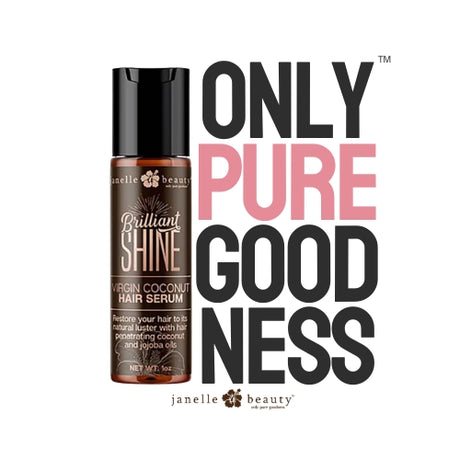
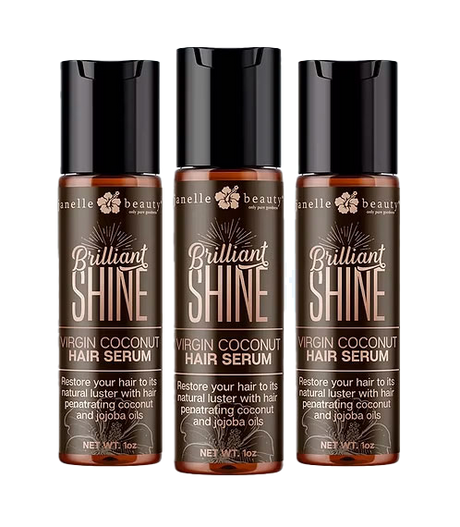
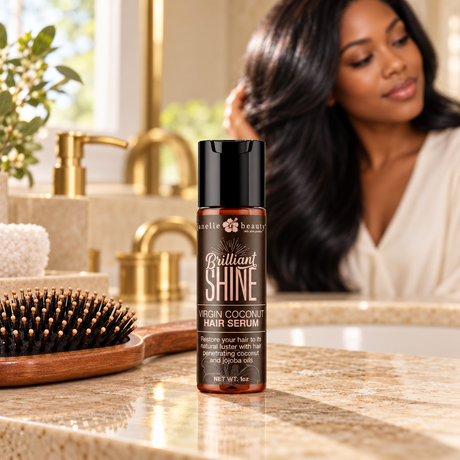
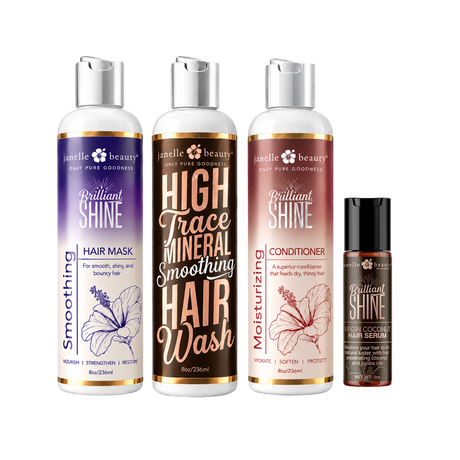
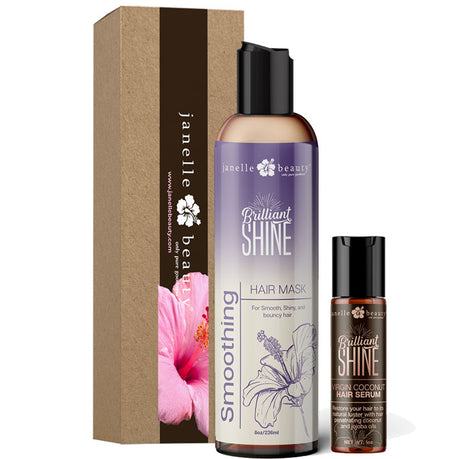
The Virgin Coconut Hair Serum is formulated with heat-resistant virgin coconut oil and grapeseed extract to penetrate, protect, and keep your strands smooth — no gimmicks.
Shop Virgin Coconut Hair Serum → Explore All Hair Care