If you pay any attention to the natural hair care scene, you've heard of rice water for longer, stronger hair. Quinoa protein, on the other hand, hasn't gotten nearly the same buzz — but it probably should. This article breaks down the benefits of both rice and quinoa proteins for hair health and growth, and by the end, we'll see if there's a clear winner.
Why Protein Matters for Hair
Hair is made up of many things, but chief among them is a protein called keratin — which makes up about 95% of the hair's structure. This is why protein plays such a critical role in hair health, and why product manufacturers include various proteins in their formulas. Rice protein and quinoa protein are both common ingredients in many of the products we use today.

A Note on Rice Water
Many people have tried rice water and seen real benefits. But some have experienced the opposite — no significant change in growth, or worse, dryness and brittleness. This is because rice water can introduce excess protein to the hair and scalp, which needs to be carefully balanced with deep conditioning to prevent breakage. (Coconut oil has a similar effect on some hair types for the same reason.) The key is awareness: rice water isn't a bad treatment, but it requires balance.
Rice Protein: Benefits for Hair
Natural alternative to volumizing agents
Improves manageability
Increases shine
Strengthens and smooths the hair strand
Aids in detangling
Repairs damaged hair
Promotes hair growth
Quinoa Protein: Benefits for Hair
Treats dandruff and soothes the scalp
Nourishes and conditions hair
Increases shine
Strengthens hair and hair follicles
Improves curl definition
Repairs damaged hair
Promotes hair growth
Attracts moisture to the hair — a key differentiator
Both proteins share many of the same benefits, but quinoa's ability to attract and retain moisture gives it a meaningful edge — and should, at least in theory, reduce the risk of hair becoming brittle from use.
How to Make Rice Water or Quinoa Water at Home
The preparation method is the same for both treatments, and you'll encounter a similar fermented odor with each. Application is identical too.
What You'll Need
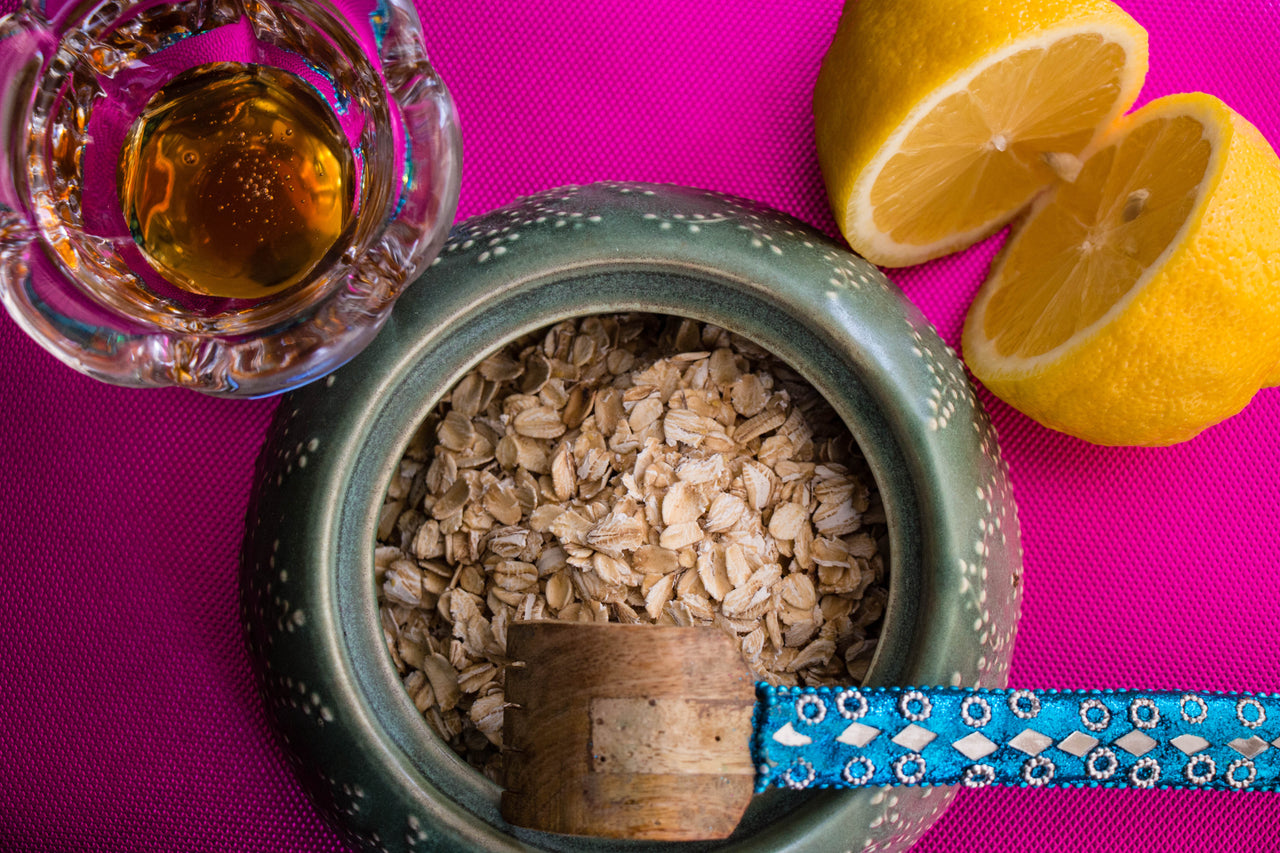
¼ cup of quinoa or rice (any variety)
1–1.5 cups of water
A mason jar with a lid
How to Prepare
Rinse your rice to remove any debris. (Quinoa does not need to be rinsed.)
Place the rice or quinoa in the mason jar and add water.
Cover and let sit for 2–3 days to ferment.
How to Apply
Pour the water into an applicator or spray bottle.
Apply to hair and scalp and massage in thoroughly.
Cover with a shower cap and leave on for about an hour.
You can use your treatment before or after shampooing — either works. Always follow up with a deep conditioner to prevent stiffness. If it's your first time, start with just one application on wash day and see how your hair responds before increasing frequency.
So, Who Wins?
Both rice and quinoa proteins are genuinely beneficial for hair health and growth. But quinoa's added conditioning and moisture-attracting properties give it a slight edge — especially for those prone to protein-related dryness. That said, why not run your own experiment? Divide your hair in two from front to back, treat one side with rice water and the other with quinoa water, and compare your results. The mission is yours, should you choose to accept it — and we'd love to hear what you find.
Janelle Beauty Hair Care
Natural ingredients. Real results.
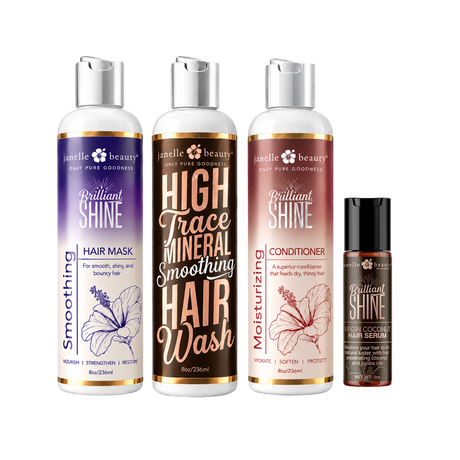
Our Hair Care Collection is formulated with the same philosophy — functional, natural ingredients that strengthen, nourish, and support healthy hair growth. No synthetic fragrance. No compromise.
Shop Hair Care → Shop Coil Protect Hair Growth Oil